
English| EUR
Suggested for you
More currencies
Choose a language
Nine granite islets sit roughly 18 kilometres off the Batinah coast, and reaching their reefs involves two separate costs that travellers often confuse. This daymaniyat islands snorkeling price guide separates the fixed government charge from the variable boat fare, so the quotes you compare are actually comparable.
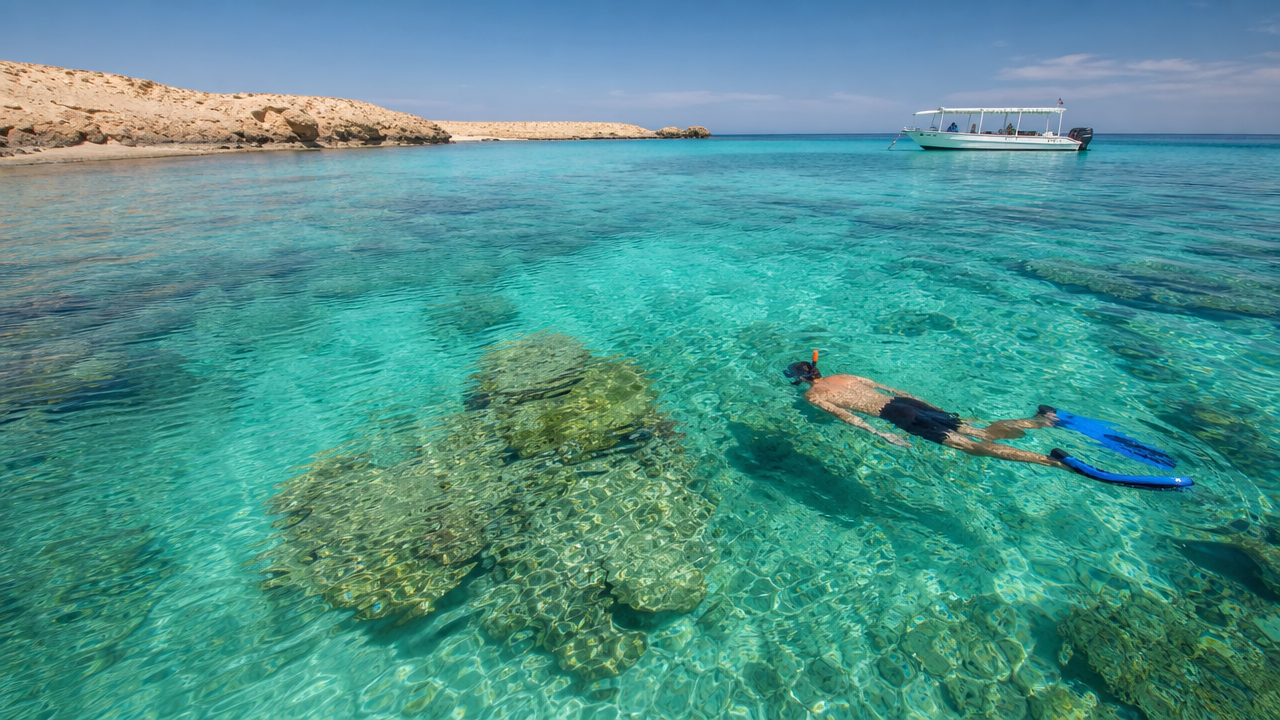
Quick answer
One cost is fixed: a 3 OMR conservation permit fee per person for entry, collected via boat operators on behalf of the Daymaniyat Islands Nature Reserve. Everything else — the boat, guide, mask and fins, snacks — is set by the operator and varies with trip length and group size. The reserve is accessible 08:00–17:00 daily, and rough seas can cancel departures outright.
The Daymaniyat Islands are one of the few places in the Gulf of Oman where nesting hawksbill and green turtles, coral gardens in under five metres of water, and a protected seabird colony sit within a ninety-minute boat ride of a capital city. That protection is the reason the cost structure looks the way it does. The archipelago is a designated nature reserve administered by Oman's Environment Authority, and access is regulated rather than open — no one lands or swims here without a permit routed through a licensed operator. That regulation is the key to reading any quoted daymaniyat islands snorkeling price correctly. A trip fare is really two things stitched together: a government conservation charge that never changes between operators, and a commercial boat service that changes a great deal. The commercial half absorbs fuel from Al Mouj or Barka, the size and speed of the dhow or RIB, whether a guide accompanies swimmers in the water, and whether mask, snorkel, fins and a wetsuit come from the boat's own kit or the traveller's bag. Half-day departures visiting one or two snorkeling sites sit well below full-day trips that anchor at several reefs and include lunch. Private charters price differently again, since the boat is being reserved rather than shared. Seasonality moves the number too, and not only through demand. The reserve closes its islands to landing during turtle nesting season, when swimming and boat access continue but shore time does not — a Daymaniyat Islands snorkeling tour in those months is a water-only affair, which some operators reflect in their rates. Monsoon-adjacent months bring swell that scrubs departures entirely, and the reserve's own conditions are simply better early: the sea is glassiest before midday winds build. Visibility follows the same curve, which is why serious snorkelers and dive operators alike push for the earliest slot on the schedule. The practical takeaway is to compare quotes at the level of inclusion rather than headline figure. Ask what the fare covers before judging whether one Muscat snorkeling excursion is cheaper than another: transfer from hotel, equipment hire, number of reef stops, in-water guiding, refreshments, and whether the reserve permit is bundled or added at the harbour. Two operators can advertise a similar daymaniyat islands snorkeling price and deliver very different days on the water — one a three-hour dash to a single bay, the other six hours across the Kharabah and Jun island groups with a guide pointing out reef sharks and eagle rays. Official reserve rules and permit information are published by Oman's Environment Authority at ea.gov.om, which remains the authoritative reference for what the conservation charge funds and how access is controlled across the season.
“Two operators can advertise a similar figure and deliver very different days on the water.”
The best arrival window for snorkeling at the Daymaniyat Islands is 08:00–11:00. Arriving during this period ensures the calmest sea conditions and optimal visibility before midday winds typically increase.
Pleasant, 25°C to 30°C
This season provides the most stable weather and clear water for snorkeling. Visibility is highest during these cooler months.
Hot, 35°C to 40°C
Summer brings higher temperatures and the potential for stronger winds. Sea conditions can change quickly during this time.
—
Mid-week mornings offer the quietest experience on the islands. Fewer visitors are present compared to weekends, allowing for more space at snorkeling sites.
Verdict: The optimal visit occurs during weekday mornings in November, March, or April to take advantage of the 08:00–11:00 arrival window.
The Daymaniyat Islands Nature Reserve operates on a consistent schedule throughout the week. Access is available daily to accommodate visitors planning their snorkeling excursions.
The Daymaniyat Islands Nature Reserve is located off the coast of Barka and Muscat, Oman. Access is exclusively via licensed boat operators departing from specific coastal marinas.
Drive via Sultan Qaboos Highway to Al Seeb or Barka Marina
Departure from Al Seeb Marina
Departure from Barka Marina
Coordinate directly with your selected boat operator to confirm your specific departure point, as they determine the final transit logistics to the islands.
Work through these preparations in order, starting weeks ahead and finishing the morning you sail, so nothing derails your day at the reserve.
Everything you need to know about daymaniyat islands snorkeling price
The base daymaniyat islands snorkeling price typically covers boat transport, guide services, and equipment rental, though individual operators determine their own service rates. You should always confirm what is included in your booking to ensure there are no surprises regarding your total expenditure.
Beyond the primary excursion fee, visitors must account for the mandatory conservation permit. This fee is a fixed regulatory requirement for accessing the protected coral reefs and marine life within the reserve.
The conservation permit fee is 3 OMR per person and is generally collected by your boat operator on behalf of the environmental authorities. While this fee is separate from the base tour cost, it is essential to ensure your operator includes it in your final payment or collects it correctly at the time of departure.
Variations in pricing often reflect differences in boat quality, group sizes, and the level of service provided by individual tour companies. A higher price may indicate inclusive meals, premium snorkeling gear, or smaller, more personalized group tours.
The entrance fee of 3 OMR is a mandatory requirement for every visitor entering the nature reserve. Your boat operator is responsible for facilitating the collection of this conservation permit fee to ensure all access regulations are met.
The 3 OMR conservation permit fee is collected directly by boat operators rather than paid at an independent gate. You should ensure your tour operator handles this payment as part of your logistics to comply with the regulations set by the authorities managing these islands.